
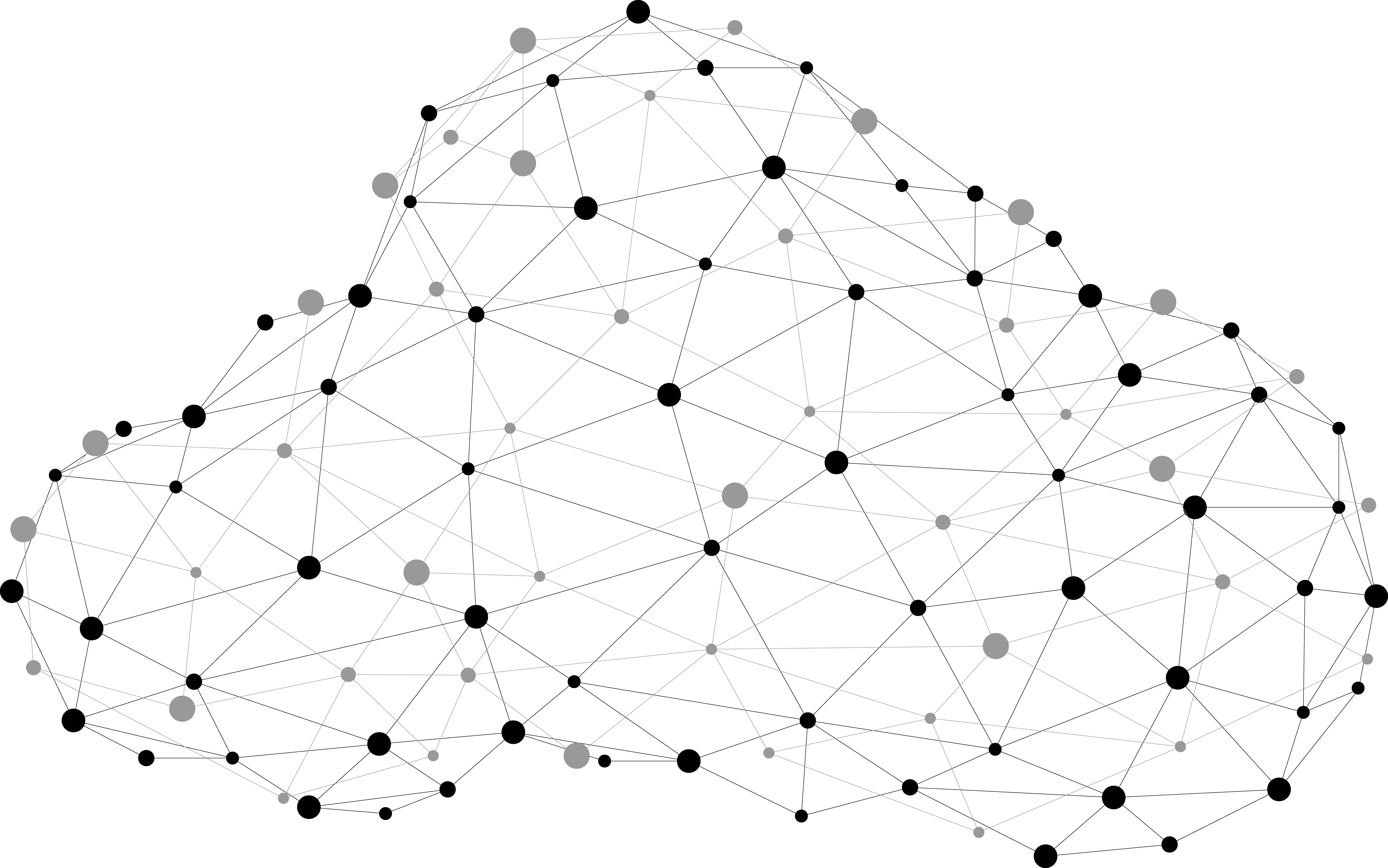
In today's hyper-connected world, where data is generated at an unprecedented rate, traditional cloud computing models face challenges in meeting the demands for low latency, high bandwidth, and real-time processing. Enter edge computing, a paradigm-shifting technology poised to transform the landscape of connectivity, particularly in the era of 5G and cellular systems.
Edge computing represents a decentralized computing model where data processing and storage are performed closer to the source of data generation, typically at the "edge" of the network. Unlike traditional cloud computing, which centralizes data processing in remote data centers, edge computing brings computational resources closer to end-users, devices, and sensors.
At its core, edge computing aims to address the limitations of centralized cloud architectures, such as latency, bandwidth constraints, and security concerns. By leveraging distributed infrastructure, edge computing enables real-time data analysis, local decision-making, and optimized resource utilization, leading to enhanced performance, reliability, and scalability.
- By processing data closer to where it's generated, edge computing minimizes latency, enabling faster response times for critical applications such as autonomous vehicles, augmented reality, and industrial automation. This translates into improved user experiences, reduced waiting times, and increased operational efficiency.
1. Low Latency and High Performance:
- By processing data closer to where it's generated, edge computing minimizes latency, enabling faster response times for critical applications such as autonomous vehicles, augmented reality, and industrial automation. This translates into improved user experiences, reduced waiting times, and increased operational efficiency.
2. Improved Reliability and Resilience:
- Edge computing enhances system reliability by decentralizing computing resources, mitigating the risk of single points of failure. With distributed infrastructure, edge computing ensures uninterrupted service delivery, even in the event of network disruptions or server outages, enhancing overall system resilience.
3. Enhanced Data Security and Privacy:
- Edge computing enhances data security and privacy by processing sensitive information locally, closer to its source. By reducing the need for data transmission to centralized servers, edge computing minimizes the exposure of data to potential security breaches and unauthorized access, ensuring compliance with stringent regulatory requirements.
4. Scalability and Flexibility:
- Edge computing offers scalability and flexibility to accommodate fluctuating workloads and growing data volumes. Organizations can easily scale their edge infrastructure to support expanding operations or dynamically provision resources to meet peak demand, enabling agile responses to changing market conditions.
5. Optimized Bandwidth Utilization:
- By offloading data processing tasks to edge devices, edge computing minimizes bandwidth usage and optimizes network resources. This results in reduced congestion, improved network performance, and lower data transfer costs, maximizing the efficiency of network infrastructure.
The advent of 5G technology promises to revolutionize connectivity with its unprecedented speed, capacity, and low latency. Edge computing and 5G are synergistic technologies that complement each other, unlocking new possibilities for applications and services that demand ultra-low latency and high bandwidth.
1. Network Slicing:
- With 5G network slicing, operators can create virtualized network segments tailored to specific use cases, such as enhanced mobile broadband, ultra-reliable low-latency communication (URLLC), and massive machine-typecommunication (mMTC). Edge computing complements 5G network slicing by providing localized data processing and storage capabilities, enabling operators to deliver low-latency services with optimal performance and reliability.
2. Multi-Access Edge Computing (MEC):
- Multi-Access Edge Computing (MEC) extends edge computing capabilities to the radio access network (RAN) of 5G networks. By deploying edge servers at the edge of the cellular network, MEC enables real-time processing of data and applications closer to end-users and devices. This reduces latency, enhances user experiences, and enables innovative use cases such as augmented reality, smart cities, and industrial IoT.
3. Ultra-Reliable Low-Latency Communication (URLLC):
- Edge computing plays a crucial role in enabling ultra-reliable low-latency communication (URLLC) services over 5G networks. By processing critical data locally at the edge, edge computing reduces latency and ensures reliable communication for mission-critical applications such as autonomous vehicles, industrial automation, and telemedicine.
In conclusion, edge computing represents a transformative technology that is reshaping the future of connectivity in the 5G era. With its ability to deliver low latency, high performance, and enhanced security, edge computing is unlocking new possibilities for innovation across industries, from manufacturing and healthcare to transportation and entertainment. By leveraging the synergies between edge computing and 5G, organizations can capitalize on the full potential of these technologies to drive digital transformation and create value in the increasingly interconnected world.


Connect with our engineers and architects to discuss your requirements and explore how intSignal can help.
