
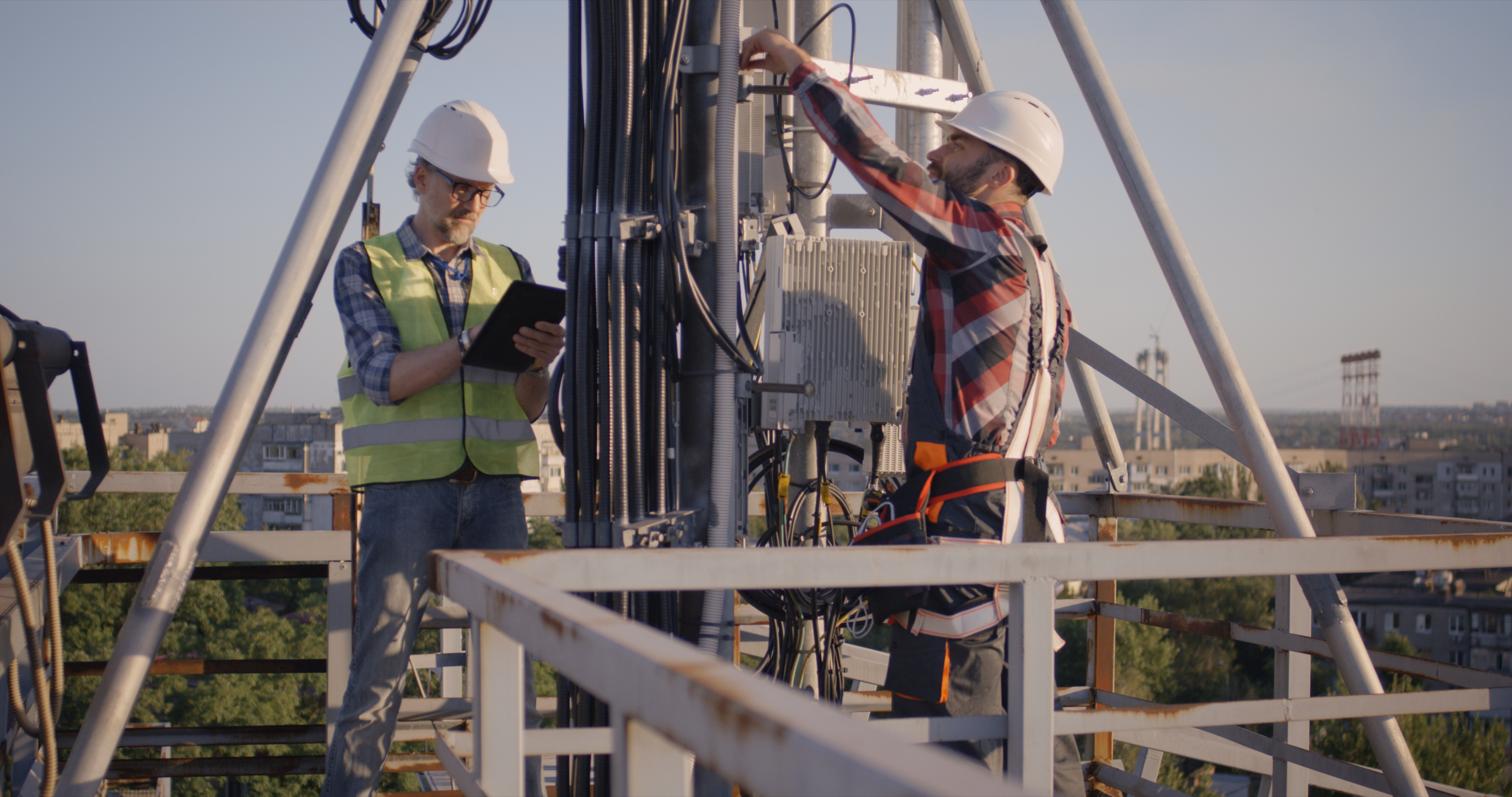
In the rapidly evolving landscape of telecommunications, the advent of 5G technology heralds a new era of connectivity, promising unprecedented speed, reliability, and innovation. As the fifth generation of wireless technology, 5G holds the potential to revolutionize industries, drive digital transformation, and enable groundbreaking applications such as Internet of Things (IoT) and edge computing. One crucial component in extending the capabilities of 5G networks is Distributed Antenna Systems (DAS), which play a crucial role in enhancing coverage, improving signal strength, and ensuring seamless connectivity in both indoor and outdoor environments.
5G, or fifth-generation wireless technology, represents a significant leap forward in mobile communication standards, offering faster speeds, lower latency, and increased capacity compared to its predecessors. With theoretical peak speeds reaching up to 20 gigabits per second (Gbps) and latency as low as 1 millisecond (ms), 5G promises to deliver a seamless and immersive connectivity experience for users worldwide.
One of the most promising applications of 5G technology lies in its ability to support the Internet of Things (IoT) ecosystem. With its high-speed, low-latency connectivity, 5G enables a multitude of IoT devices to communicate and exchange data in real-time, facilitating advanced use cases such as smart cities, connected vehicles, and industrial automation. By providing reliable and scalable connectivity, 5G accelerates the deployment and adoption of IoT solutions, unlocking new opportunities for efficiency, productivity, and innovation across various industries.
In tandem with IoT, 5G technology plays a crucial role in enabling edge computing—a decentralized computing paradigm that brings data processing and storage closer to the source of data generation. By leveraging the high-speed, low-latency capabilities of 5G networks, edge computing enables real-time data analysis, local decision-making, and optimized resource utilization at the edge of the network. This results in faster response times, reduced bandwidth usage, and enhanced reliability for applications such as autonomous vehicles, augmented reality, and industrial automation.
A closed-loop private network 5G connection offers several compelling benefits for organizations seeking reliable and secure connectivity:
5G repeaters, also known as signal boosters or amplifiers, are devices designed to enhance the coverage and signal strength of 5G networks in indoor or remote areas. By amplifying and retransmitting 5G signals, repeaters extend the reach of 5G networks, improving connectivity and performance for users in areas with weak or limited signal coverage.
5G technology operates across three main frequency bands, each offering distinct advantages in terms of coverage, speed, and capacity:
In summary, the combination of 5G technology and Distributed Antenna Systems (DAS) holds the key to unlocking new possibilities for connectivity, edge computing, and IoT innovation. By harnessing the power of high-speed, low-latency 5G networks and extending coverage with DAS infrastructure, organizations can drive digital transformation, enhance productivity, and deliver transformative experiences to users worldwide.



Connect with our engineers and architects to discuss your requirements and explore how intSignal can help.
